Skip to content
Ticks are tiny, but they can cause a lot of concern. One minute your child is playing in the yard, your dog is running through the grass, or your family is coming home from a trail walk. The next minute, you find a tick attached to your skin and wonder what to do next.
In Texas, ticks can show up in yards, brush, tall grass, wooded edges, parks, fields, and areas where wildlife moves through. Corpus Christi families may run into ticks after outdoor sports, hunting trips, camping, gardening, or time with pets. Most tick bites do not lead to illness, but it’s still important to know what to watch for.
Identifying Texas Ticks
First, we need to talk about ticks themselves. You need to know what you’re looking at before you take any further steps. While there are over 50 species of tick found in Texas, only a small group of them are commonly responsible for tick-borne illnesses.
A tick is not an insect. It’s an arachnid, which means it’s related to spiders and mites. Adult ticks usually have eight legs, a small flattened body, and no wings. Ticks are easily confused for beetles and spiders, but a beetle has six legs, a harder shell, and a clear body shape with wings or wing covers. A spider has eight legs too, but its body is usually larger and more clearly divided.
Ticks can be very small, especially before feeding. Some are about the size of a poppy seed or sesame seed. After feeding, they can swell and look rounder. If you’re unsure whether you found a tick, place it in a sealed bag or container and bring it to a healthcare visit if needed.
Common Ticks Texas Families May See
The Lone Star State has its very own tick: the lone star tick, which is common in many parts of Texas. Adult females are often easier to spot because they have a pale single spot on their back, hence the name. Lone star ticks are aggressive biters and may be linked with ehrlichiosis, tularemia, and other reactions.
The black-legged tick, also called the deer tick, is smaller and darker than many other ticks. It’s known because it can carry the bacteria that cause Lyme disease in some regions. Lyme disease is less common in Texas than in parts of the Northeast and Upper Midwest, but possible exposure still deserves attention.
The American dog tick is a larger tick often found in grassy or brushy areas. It may bite people or pets and is linked with spotted fever rickettsiosis, including Rocky Mountain spotted fever. The brown dog tick is similar and can carry similar diseases, but is more likely to bite dogs than people.
Two other Texas ticks that regularly bite people are the Gulf Coast and Cayenne ticks. The Gulf Coast tick is also found in Texas, including coastal and southern areas, and may bite people, dogs, livestock, and wildlife. The Cayenne tick is found in parts of Texas and can affect livestock, wildlife, pets, and people. Since tick identification can be difficult, symptoms and exposure history are often more useful than the exact species.
What Are Tick-Borne Illnesses?
Tick-borne illnesses are infections spread through the bite of an infected tick. Not every tick carries disease, and not every bite causes illness. Still, Texas families should know the common warning signs because early symptoms can look like many other illnesses. In Texas, tick-borne illnesses can include:
- Ehrlichiosis
- Anaplasmosis
- Spotted fever rickettsiosis
- Lyme disease
- Tularemia
- Tick-borne relapsing fever
- Alpha-GAL syndrome
Some can cause fever, headache, muscle aches, fatigue, rash, swollen lymph nodes, or stomach symptoms. The tricky part of tick-borne illness is timing, since symptoms may not start right away. They can appear days or even weeks after a tick bite. Some people also never notice the tick, especially if it bit you in an area that’s hard to see.
What Does A Tick Bite Look Like?
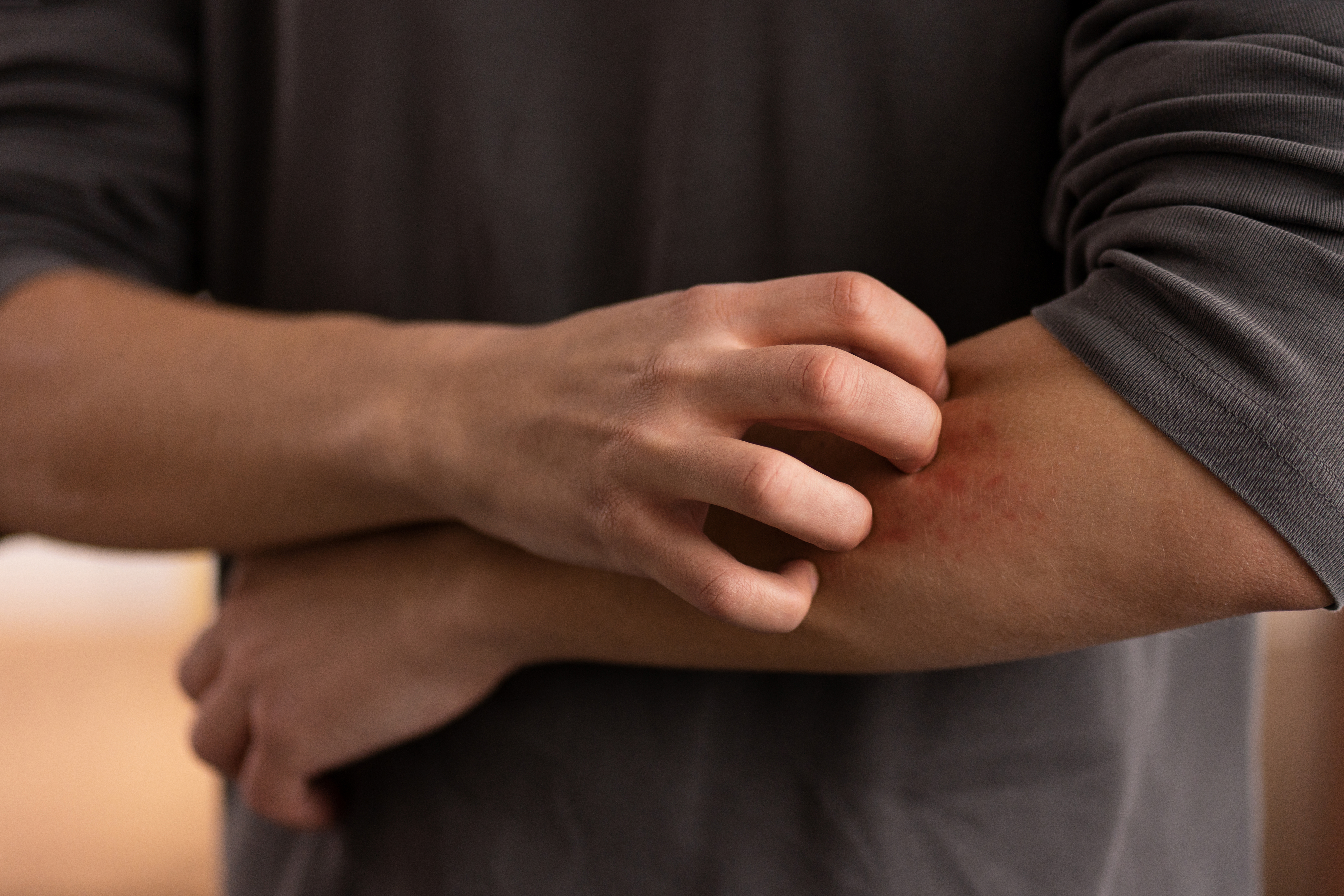
A tick bite may look like a small red bump. It may itch, feel tender, or look like a mosquito bite. Some bites leave a little scab where the tick was attached. Mild redness at the bite site can happen and does not always mean infection. What deserves more attention is a rash that spreads, redness that keeps expanding, or skin that becomes warm, swollen, painful, or draining. A bull’s-eye rash is often linked with Lyme disease, but not every Lyme rash looks that way. Other tick-borne illnesses can cause different rashes, and some cause no rash at all.
If you develop fever, chills, body aches, headache, unusual tiredness, or a rash after a tick bite, it’s worth getting checked. Tell the provider when the bite happened, where you were, and whether the tick was attached for a while.
Checking for Ticks
Tick checks work best when they become part of the routine after spending time outdoors in the summer. Check your body, your child’s body, and your pets after walking through grass, brush, trails, or wooded areas. Ticks can bite people as easily as they can bite dogs.
Pay attention to hidden areas. Ticks often attach near the hairline, behind the ears, under the arms, around the waistband, behind the knees, between the legs, and around socks or shoes. In children, check the scalp and neck carefully.
Pets need checks too. Look around the ears, collar, between the toes, tail, belly, and armpit areas. A tick on your dog can later crawl onto a person or into the home. If you find ticks on your pet often, ask your veterinarian about prevention options.
How To Safely Remove a Tick
If you find an attached tick, remove it as soon as you can. Use clean, fine-tipped tweezers (which you should have in your first aid kit) and grasp the tick close to the skin. Pull upward with steady pressure. Avoid twisting, crushing, burning, or covering the tick with products.
Old home tricks can make removal harder or increase irritation. Matches, petroleum jelly, nail polish, and harsh chemicals are not reliable ways to remove ticks. The goal is to remove the tick cleanly without squeezing its body or digging into the skin.
After removal, clean the bite area and your hands. You can save the tick in a sealed bag or container if you want help identifying it later. Then watch the bite site and your overall health over the next few weeks.
What To Do After a Tick Bite
Be on the lookout for symptoms such as headache, muscle aches, fatigue, swollen lymph nodes, or flu-like symptoms. These details can help a clinician connect symptoms to a possible tick exposure.
Urgent care can help when the bite is irritated, hard to clean, partially removed, or showing signs of infection. A provider can also review symptoms and exposure history. If there’s concern about Lyme disease or another tick-borne illness, the clinician can decide whether testing, monitoring, or antibiotics may be appropriate.
Tick Bites: Easier To Handle When You Know What To Watch For
Finding a tick can feel alarming, especially when it’s attached to a child or pet. The good news is that a calm, informed response helps. Remove the tick safely, watch for symptoms, and get medical care if the bite looks concerning or illness symptoms appear.
Access Total Care in Corpus Christi can evaluate tick bites, irritated skin, rashes, and non-emergency symptoms after outdoor exposure. If you’re worried about a tick bite or possible tick-borne illness, visit us any day of the week for quick evaluation and advice.