Skip to content
When you think about getting hurt at the beach, what comes to mind?
It was sunburn, wasn’t it? Sunburns are probably the most common beach injury, but they aren’t the only way to get hurt at the shore.A day on the sand can also bring jellyfish stings, stingray injuries, shell cuts, twisted ankles, and hard falls in the surf. Most beach injuries are minor, but some need medical attention. Knowing what to watch for can help you respond faster and avoid making the injury worse.
Jellyfish Stings
Jellyfish stings can happen when tentacles brush against the skin. Even a piece of tentacle in the water or on the sand may still sting. Most stings cause burning pain, redness, itching, swelling, or raised marks where the tentacle touched the skin.
The first step is to get out of the water calmly. This helps prevent more contact and lowers the risk of panic while swimming. Avoid rubbing or scraping the skin to get the stingers off– this common piece of advice will just make the situation worse as the pressure triggers the release of more venom. It’s also smart to avoid fresh water unless a medical professional advises it, because it may trigger remaining stingers in some cases.
Then, once the person is out of the water, flag down a lifeguard for help with first aid. Most jellyfish stings are painful but not life-threatening. However, medical care is important if the sting causes trouble breathing, chest pain, severe swelling, vomiting, dizziness, fainting, or symptoms across a large area. Children and people with known allergy concerns should also be watched closely after a sting.
Stingrays
Stingray injuries are uncommon, but they can be painful when they happen. Most occur when someone accidentally steps on a stingray in shallow water. The ray reacts defensively and strikes with its tail, which can cause a puncture wound. A stingray injury should be taken seriously because puncture wounds can be deep, painful, and exposed to bacteria from sand or seawater. If a barb appears embedded, don’t try to dig it out yourself. Seek medical care so the wound can be evaluated, cleaned, and checked for deeper injury.
Stingray stings are rare, and most are preventable. All you have to do is shuffle your feet when walking in shallow water. This is often called the “stingray shuffle.” Sliding your feet along the sand helps alert stingrays that you’re coming, giving them time to swim away before you step down.
Urchin Spines, Sharp Shells, and Other Beach Debris
Beach cuts can come from shells, rocks, fishing hooks, broken glass, marine debris, or sea urchin spines. These injuries may look small at first, but they can carry sand, saltwater, bacteria, and tiny fragments into the skin.
That’s why beach cuts need careful cleaning and attention. A wound that happens in sand or ocean water is different from a clean paper cut at home. Dirt, shell pieces, or spines can stay inside the skin and raise the risk of infection.
Some wounds may also require a tetanus review. Tetanus is linked to bacteria that can enter the body through cuts, punctures, or contaminated wounds. If you get a cut at the beach, it’s a smart idea to visit urgent care, where a healthcare provider can help determine whether a tetanus shot is needed based on the wound and vaccination history.
Ankle Sprains
Ankle sprains are common at the beach because sand is soft and uneven. Your foot can sink, slide, or twist before you realize it. Running, playing volleyball, carrying coolers, or chasing kids near the water can all increase the risk. Holes in the sand are another problem. People dig large holes as they play in the sand and leave them open, which creates a hazard for walkers and runners.
A sprain may cause pain, swelling, bruising, or trouble putting weight on the foot. If pain is severe, walking is difficult, swelling is significant, or the injury doesn’t improve as expected, urgent care can help assess whether further evaluation is needed.
Shorebreak
Shorebreak happens when waves break directly onto the shoreline. These waves can look fun to play in from a distance, but they can forcefully throw swimmers into shallow sand. That sudden impact can cause head, neck, shoulder, back, or limb injuries.
This is one reason beach safety flags are so important. Surf conditions can change quickly, and flags help warn swimmers about hazards such as strong currents, rough surf, or dangerous marine life. Paying attention before getting in the water is part of basic beach safety.
If someone is tumbled hard by a wave and has neck pain, severe headache, confusion, weakness, numbness, trouble walking, or loss of consciousness, they need emergency evaluation. For less severe aches, cuts, or sprains after a fall, urgent care may be the right place to start.
Sunburn
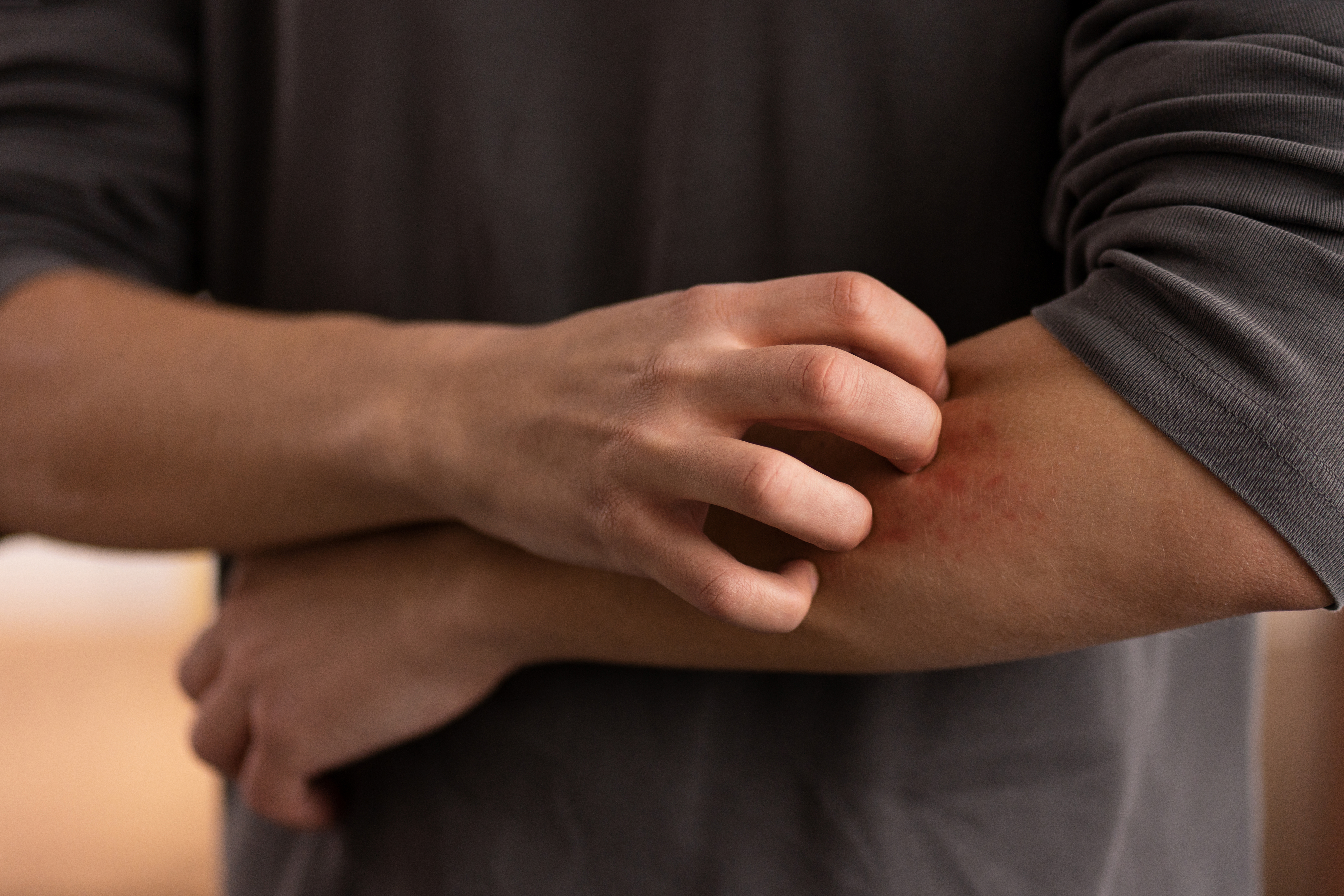
No discussion of beach safety is complete without talking about sunburns. Sunburn is common because people underestimate how much sun they get near water. Wind, swimming, clouds, and shade breaks can make the day feel cooler than it really is– and even on cool days, sunburn is still a risk! Just look at winter skiers– even in that cold environment, sunburn is still a serious concern. That’s because it’s caused by UV rays, not temperature.
Sunburn can cause redness, pain, swelling, warmth, and peeling. More serious burns may blister or come with dehydration symptoms, chills, nausea, or dizziness. Kids are especially vulnerable because they may not notice the burn until later in the day, and because they are often too excited about swimming to reapply on their own.
Repeated sunburns can damage skin over time, so prevention is worth taking seriously. Shade, protective clothing, hats, sunglasses, and sunscreen all help reduce risk. People should also remember that water and sweat can affect how long sunscreen stays effective, and that you have to let the sunscreen dry before you hop back into the water.
Urgent Care For Beach Injuries
Beach days should be relaxing, not stressful– but sometimes, accidents have a way of interrupting our plans. If a jellyfish sting, stingray injury, cut, sprain, or painful sunburn interrupts your plans, Access Total Care in Corpus Christi can help. Visit our Padre Island location for friendly staff and quick care so that you can get back to enjoying your summer!
Beach Injury FAQ
Does peeing on a jellyfish sting really work?
No, that’s a myth. Some people have heard that urine, meat tenderizer, or fresh water should be applied to jellyfish stings– but those can trigger any remaining microscopic stingers to release more venom, making the sting worse. Also, baking soda and ice are also bad ideas. The only safe common home remedy for jellyfish stings is vinegar– but even that varies based on the species of jellyfish. It’s best to just leave the sting alone and get help from someone who knows what they are doing.
Are stingray injuries common at Corpus Christi beaches?
No, stingray injuries are uncommon. Shuffling your feet in shallow water can lower the chance of stepping on one, and wearing water shoes can also help prevent injury.
What should I do if my child steps on something sharp at the beach?
Rinse off visible sand or debris, cover the area if you can, and have the wound checked if it’s deep, dirty, painful, or hard to clean.
Is it safe to swim after getting a cut at the beach?
It’s better to avoid exposing an open wound to beach water until a healthcare provider says it’s safe, especially if the cut is deep or irritated.