Skip to content
Most people know the feeling of sore muscles after a workout, a long day of yardwork, or a weekend spent moving furniture. The ache may show up later that day or the next morning. It can feel tight, tender, stiff, or uncomfortable when you move. This kind of soreness is typically normal, and goes away after a short while.
Normal muscle soreness often happens after muscles work harder than they are used to, especially after new exercises or repetitive activity. In Corpus Christi, it can also happen after beach volleyball, long walks on soft sand, fishing trips, home projects, or outdoor jobs in the heat. The soreness may peak after a day or two, then slowly fade. If the pain keeps getting worse, affects only one area, follows an injury, or comes with other symptoms, it may be more than regular muscle soreness.
What Does Normal Muscle Soreness Feel Like?
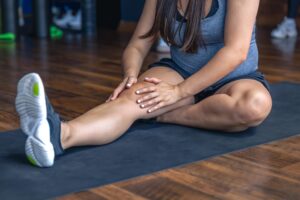
Before you learn more about abnormal muscle soreness, let’s talk about what normal muscle soreness feels like. Normal muscle soreness usually feels spread out across a muscle group. Both thighs may ache after squats. Both shoulders may feel sore after lifting boxes. You may feel stiff when you first get up, then loosen up after gentle movement.
This soreness usually appears after activity, not during a sudden moment of injury. It should not cause severe swelling, numbness, weakness, bruising, or trouble using the body part. Mild soreness can feel annoying, but it should not make basic movement impossible.
Rest, fluids, light movement, and gentle stretching may help. Ice can help if the area feels irritated after activity. Heat may feel better for general stiffness. Over-the-counter pain relief may be useful for some people, but follow the label and avoid mixing medications without medical advice.
When Is Muscle Pain A Sign Of Injury?
A muscle strain happens when muscle fibers stretch too far or tear. This may happen during sports, lifting, twisting, slipping, or suddenly changing direction. Strains can cause pain, swelling, bruising, weakness, and trouble moving the affected area.
Unlike general soreness, a strain often starts during a single moment. You may feel a pull, pop, sharp pain, or sudden tightness. The pain may stay in one spot instead of affecting a whole muscle group. It may worsen when you try to use that muscle.
Mild strains may improve with rest and home care, but worsening pain needs attention. Mayo Clinic advises seeing a doctor if symptoms get worse despite treatment, especially if pain becomes intolerable or you have numbness or tingling.
Can Heat Make Muscle Soreness Worse?
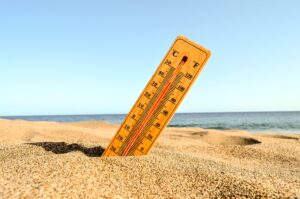
Given how hot Corpus Christi is in the summer, it’s important to understand how heat can make muscle symptoms harder to read. If you are sweating heavily, you can lose fluid and salt. That can lead to muscle cramps, weakness, dizziness, headache, nausea, or exhaustion. These symptoms may feel like simple soreness at first.
Heat cramps often affect the arms, legs, or abdomen after heavy sweating during activity. Low salt and moisture levels from dehydration can cause painful muscle cramps, and heat cramps may also be a symptom of heat exhaustion. This is especially relevant during hot months in Corpus Christi. Outdoor workouts, construction work, landscaping, sports practice, and long beach days can strain muscles and fluid balance at the same time. If cramps come with dizziness, vomiting, heavy sweating, faintness, or weakness, stop activity and get out of the heat.
What Is Rhabdomyolysis?
Rhabdomyolysis, often called rhabdo, is a serious condition that happens when damaged muscle breaks down and releases substances into the blood. Those substances can harm the kidneys. Rhabdo can happen after extreme exercise, heat stress, crush injuries, some medications, seizures, infections, or long periods of immobility.
This condition is easy to miss because early symptoms can resemble regular soreness, heat cramps, or dehydration. The CDC lists the main symptoms as muscle pain, dark urine, and feeling weak or tired. It also notes that a healthcare provider can use a specific blood test to check for rhabdo.
Dark urine is one of the biggest warning signs– typically darker than dark urine from dehydration. It may look tea-colored, cola-colored, or much darker than usual. Severe muscle pain, swelling, or weakness after intense activity also deserves prompt medical care, even if you think you just overdid it.
Could Muscle Pain Be From An Infection?
Muscle pain can also happen with infections. A virus can cause body aches, fever, chills, fatigue, sore throat, cough, or stomach symptoms. In these cases, the muscle pain is often widespread and comes with other signs of illness.
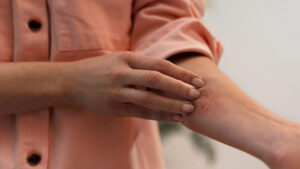
A skin or soft tissue infection can cause pain in one area. The skin may look red, warm, swollen, or tender. You may notice pus, red streaking, fever, or a wound that is getting worse instead of healing. These symptoms should be checked because infections can spread.
Do not assume every sore area is from exercise. If pain is linked to fever, a bite, a cut, a scrape, or an area of spreading redness, urgent care can evaluate it and decide whether antibiotics or other treatment is needed.
When Should You Get Medical Care For Muscle Soreness?
You should seek care if muscle pain is severe, worsening, or very different from normal soreness. You should also be seen if pain follows a fall, sports injury, car accident, or lifting injury and you cannot use the area normally.
Medical care is also important if muscle pain comes with dark urine, major swelling, intense weakness, numbness, tingling, fever, spreading redness, chest pain, shortness of breath, dizziness, or fainting. In a case like this, trust the pattern. Soreness that improves is usually less concerning. Pain that gets worse, spreads, or changes your ability to walk, lift, work, or sleep deserves a closer look.
What To Do At Home For Mild Soreness
For mild soreness, give your body time to recover. Drink fluids, eat enough protein and balanced meals, and avoid repeating the same intense activity too soon. Gentle walking or light movement can help stiffness, but sharp pain is a sign to stop.
Don’t push through pain that changes your form or makes you limp. That can shift stress to other muscles and joints. If you are returning to exercise after time off, build intensity slowly. Sudden increases in weight, distance, speed, or workout length raise the risk of injury.
If you work outdoors, plan extra breaks during hot weather. Hydrate before you feel thirsty, change out of soaked clothing when possible, and pay attention to cramps or weakness. Muscle symptoms plus heat exposure deserve more caution than soreness after a cool indoor workout.
Can Urgent Care Help With Muscle Pain?
Urgent care can help when muscle pain is concerning but not clearly life-threatening. A clinician can examine the painful area, check your range of motion, review your symptoms, and look for signs of strain, sprain, infection, dehydration, heat illness, or another cause.
Depending on your symptoms, urgent care may recommend imaging, lab testing, medication, wound care, fluids, activity changes, or follow-up with a specialist. If your symptoms suggest a serious emergency, urgent care can direct you to the right level of care. Muscle soreness is common, but it should follow a predictable pattern. It should slowly improve, respond to rest, and stay connected to recent activity. If it does not fit that pattern, your body may be signaling injury, heat illness, infection, or a more serious muscle problem.
Urgent care is especially helpful when you are unsure whether pain is normal soreness or something more. Getting evaluated can help you treat the problem early and avoid making an injury worse. If you’re experiencing unusual muscle pain in Corpus Christi, Access Total Care is here for you. Visit our convenient Corpus Christi location, open 7 days a week, to be quickly seen and cared for.