Skip to content
Most nosebleeds are not life-threatening. They often begin near the front of the nose and stop after several minutes of steady pressure. However, a nosebleed may need medical attention when it continues despite correct first aid, returns frequently, follows an injury, or occurs in someone who takes medication that affects blood clotting.
Urgent care can evaluate many non-life-threatening nosebleeds. Access Total Care specifically includes nosebleeds among the conditions treated through its urgent care services. The appropriate setting depends on how much the person is bleeding, why it started, and whether other symptoms are present.
What Should You Do First for a Nosebleed?
Correct positioning and uninterrupted pressure can stop many nosebleeds. Use these steps:
- Sit upright.
- Lean slightly forward.
- Use your thumb and finger to pinch the soft part of the nose below the hard bridge.
- Keep both nostrils closed with steady pressure.
- Breathe through the mouth.
- Hold the pressure continuously for a full 10 minutes before checking.
Leaning forward helps keep blood from flowing down the throat. Pinching the soft lower part of the nose compresses the blood vessels that commonly cause a nosebleed. Checking every minute or two can disturb the clot that is beginning to form. Use a clock or phone timer so the pressure lasts for the full 10 minutes.
MedlinePlus recommends sitting down, leaning forward, and pinching the soft part of the nose continuously for at least 10 minutes. If the bleeding continues, repeat the same process while arranging medical care. Ongoing heavy bleeding or symptoms of significant blood loss should not be managed at home.
What Should You Avoid During a Nosebleed?
Several common responses can make the situation less effective or uncomfortable. Avoid:
- Tilting the head backward
- Lying flat
- Pinching only the hard bridge of the nose
- Releasing pressure repeatedly to check the bleeding
- Packing tissues or gauze deep inside the nose
- Blowing or picking the nose immediately afterward
- Swallowing large amounts of blood
Tilting the head back does not stop the bleeding. It directs blood toward the throat, where it may be swallowed or irritate the airway and stomach.
Do not place medication or a nasal spray in the nose unless it is appropriate for the patient. Some decongestant sprays may be used in certain situations, but they are not suitable for everyone. A healthcare professional can provide guidance based on age, medical conditions, medications, and the cause of the bleeding.
Why Do Nosebleeds Happen?
The inside of the nose contains many small blood vessels close to the surface. These vessels can begin bleeding when the tissue becomes dry, inflamed, irritated, or injured. Common contributing factors include:
- Dry indoor or outdoor air
- Allergies, colds, or sinus irritation
- Frequent sneezing
- Forceful nose blowing
- Nose picking
- A blow to the nose
- An object placed inside the nose
- Chemical irritants
- Overuse of certain nasal sprays
- Recent nasal or sinus procedures
- Medicines that affect blood clotting
Blood thinners and antiplatelet medicines may not be the original cause, but they can make a nosebleed harder to stop. Patients should not stop these medications on their own because suddenly interrupting treatment can create other serious risks.
A nosebleed does not necessarily mean that a person has dangerously high blood pressure or a bleeding disorder. However, frequent or difficult-to-control bleeding may lead a provider to consider these and other possible factors.
When Can Urgent Care Help With a Nosebleed?
Urgent care may be appropriate when the patient is stable but the nosebleed needs same-day evaluation. Examples include:
- Bleeding that continues after correct pressure has been applied
- A nosebleed that repeatedly stops and starts
- Frequent nosebleeds without a clear explanation
- Bleeding after a minor nasal injury
- Possible irritation or an object inside the nose
- A need for evaluation before returning to work, school, or normal activity
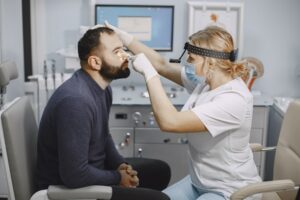
The medical team may check blood pressure and other vital signs, review medications, examine the inside of the nose, and look for a likely bleeding point. Depending on the situation, treatment may include continued compression, topical medication, cautery, nasal packing, or referral for additional care.
Laboratory testing or imaging may be considered when the provider is concerned about blood loss, clotting, a fracture, or another underlying condition. Access Total Care also offers blood work and X-ray services at its Padre Island clinic, although not every nosebleed requires diagnostic testing.
When Is a Nosebleed an Emergency?
Call 911 or seek emergency care when:
- Bleeding is very heavy
- The person has difficulty breathing
- Blood is filling the mouth or throat
- The person faints, becomes confused, or is difficult to wake
- The person appears pale, clammy, or severely weak
- The nosebleed followed a serious head or facial injury
- The nose appears significantly deformed after an injury
- The person is vomiting a large amount of swallowed blood
- Bleeding cannot be controlled in someone with a known bleeding disorder
- The patient takes a blood thinner and has severe or uncontrolled bleeding
- New or worsening dizziness, especially with heavy bleeding, weakness, fainting, or feeling like you may pass out
MedlinePlus advises emergency evaluation when a nosebleed does not stop after approximately 20 minutes, occurs after a head injury, may involve a broken nose, or is difficult to control in someone taking blood-thinning medication. A person with severe bleeding, fainting, or breathing problems should not drive themselves.
What Information Should You Tell the Provider?
Be prepared to explain:
- When the bleeding began
- Whether it started in one nostril or both
- How long pressure was applied
- Whether the bleeding stopped and restarted
- Whether an injury occurred
- Whether there have been previous nosebleeds
- Which prescription and nonprescription medications the person takes
- Whether the patient uses aspirin, an anticoagulant, or an antiplatelet medicine
- Whether there has been bleeding elsewhere
- Whether the patient bruises easily
- Whether there was recent nasal surgery or another procedure
Bring medication bottles or a current list when possible. The exact medication and dose may affect the evaluation.
What Should You Do After the Bleeding Stops?
The newly formed clot can be disturbed for several hours. Follow the instructions provided by the medical team and avoid unnecessary irritation. Helpful precautions may include:
- Avoiding nose blowing or picking
- Sneezing with the mouth open
- Avoiding strenuous activity for the recommended period
- Keeping the inside of the nose from becoming excessively dry
- Using saline or another moisturizing product if recommended
- Avoiding hot showers, hot drinks, or other triggers if the provider advises it
- Taking medications only as directed
Dry air may contribute to repeated nosebleeds. A humidifier and appropriate nasal moisture can help some people, but products should be used according to instructions.
When Do Repeated Nosebleeds Need Follow-Up?
A person should discuss recurring nosebleeds with a primary care provider or another healthcare professional, particularly when:
- They occur several times
- They are becoming more difficult to stop
- There is no clear dryness or irritation
- Bleeding also occurs from the gums or elsewhere
- Unexplained bruising is present
- The person takes medication that affects clotting
- The nose feels blocked or painful
- The episodes began after surgery
- A child repeatedly places objects in the nose
The provider may review medications, check the nasal tissue, consider laboratory testing, or recommend an ear, nose, and throat specialist. Patients who need ongoing evaluation can learn more about Access Total Care’s primary care services.
Frequently Asked Questions About Nosebleed Care
1. How long should I pinch my nose during a nosebleed?
Pinch the soft part of the nose continuously for a full 10 minutes before checking. Lean forward and breathe through the mouth during that time.
2. Should I tilt my head back?
No. Lean forward instead. Tilting backward allows blood to run into the throat and does not apply pressure to the bleeding blood vessel.
3. Can dry air cause nosebleeds?
Yes. Dry air can irritate and crack the delicate tissue inside the nose. Allergies, respiratory illnesses, forceful nose blowing, injuries, and certain medications can also contribute.
4. Should I stop my blood thinner after a nosebleed?
Do not stop an anticoagulant, antiplatelet medicine, or aspirin prescribed for a medical reason without instructions from the prescribing healthcare professional. Tell the urgent care or emergency team exactly which medication you take.
Getting Help for a Nosebleed in Corpus Christi
Many nosebleeds stop with correct pressure and positioning. Persistent, recurrent, injury-related, or unusually heavy bleeding deserves medical evaluation.
Access Total Care specifically treats nosebleeds and other non-life-threatening urgent care conditions at its Corpus Christi-Padre Island clinic.