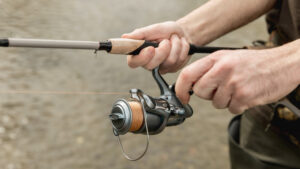
Whether you fish from a pier, a kayak, or a boat in the Gulf, accidents can happen in an instant. Fishing injuries are very common in coastal communities like Corpus Christi. Most fishing injuries are minor and easy to treat, but some require professional care to prevent infection or lasting damage.
Understanding how these injuries happen and what to do next keeps you safe and on the water. With a little preparation and a few smart habits, you can reduce your risk and know when to seek medical help (and where to go) if something goes wrong.
Common Fishing Injuries
Fishing combines sharp tools, strong lines, slippery surfaces, and unpredictable conditions. This means that a small mistake can lead to pain or infection. The most common injuries are punctures, slip and fall injuries, strains or sprains, and sunburn. Fishhooks are a leading cause of emergency and urgent care visits among anglers. They can easily puncture hands, fingers, or faces when lines snap or lures swing unexpectedly. And when treble hooks or barbed hooks are involved, the injuries can be even more serious.
Another frequent injury comes when you’re off the water and filleting or cleaning fish. Boning and filleting knives are sharp, and they slip easily when hands are wet. These cuts are often deep and require stitches.
Muscle strains and shoulder or back injuries are also common, especially after a long day casting heavy lines or hauling large catches like trophy red drum or kingfish. Even minor overuse injuries can worsen over time if not addressed. Add in the sun, wind, and dehydration, and it’s easy to see why your safety habits matter on every trip.
How Fishing Injuries Happen
Most fishing injuries occur during the routine moments in fishing. Things like baiting a hook, casting, or reeling in a fish can all go wrong. And distraction and fatigue can also play a role. A momentary lapse in attention while tying line or handling tackle can lead to a deep puncture. And for many people, fishing is a social activity. That often means talking to friends and enjoying a beer, which can create an extra layer of distraction on the water.
If you’re fishing on the ocean, weather conditions can also contribute to the risk of fishing injuries. Rough surf and windy conditions can easily lead to a slip, and can turn hooks and lures into projectiles. Saltwater itself adds another layer of risk. Even small cuts can become infected quickly when exposed to ocean water or fish slime.
Marine bacteria thrive in warm coastal environments, and once they’re inside the wound, they can cause serious complications. That’s why cleaning even a minor injury is so important after time on the water– and keeping a first aid kit with antibiotic ointment and a safe antiseptic cleanser on your boat is necessary.
Preventing and Safely Treating Fish Hook Injuries
Unless you’re spearfishing or bow fishing, you’re fishing with a hook. Unfortunately, that’s one of the easiest tools to get hurt by. Preventing a hook injury starts with awareness and good habits. Always handle hooks with care, and if you’re using a barbed hook, try to keep barbs covered until you’re ready to cast. It’s also wise to consider barbless hooks. Barbless hooks are safer for you, and makes getting the fish off the line easier.
When baiting or removing fish, hold hooks steady and keep your fingers behind the point. Wearing gloves can add a layer of protection, especially when dealing with sharp or rusted tackle. Be mindful when casting in windy conditions, since the wind can whip your line back toward you or nearby anglers. Simple precautions like announcing your cast and checking your surroundings help prevent painful accidents. And if you fish with children or in crowded areas, keep lines organized and avoid swinging lures near others.
If a hook injury does happen, proper fish hook injury treatment depends on how deeply it’s embedded. For small, shallow punctures that haven’t gone past the barb, gentle removal and cleaning may be safe at home. Use clean tweezers, rinse the wound with fresh water, and apply an antiseptic before covering it with a bandage. But if it goes past the barb, you should never try to remove it yourself.
When To Go To Urgent Care for Fishing Injuries
Knowing when to seek urgent care for fishing injuries can save you from long-term issues. Minor scrapes and bruises often heal with basic first aid, but puncture wounds, deep cuts, and embedded hooks should always be evaluated by a medical professional.
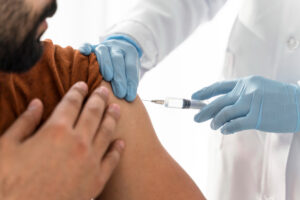
If a hook goes past the barb or near a joint, eye, or tendon, don’t try to remove it yourself. Medical providers can safely perform fish hook injury treatment using sterile tools and techniques that minimize tissue damage. They can also provide antibiotics or tetanus shots if needed. Attempting removal without proper care can cause more harm or introduce bacteria into the wound.
Some slip and fall injuries should also be seen at urgent care. If you can’t put weight on a limb, notice swelling that doesn’t fade, suspect a dislocation, or hit your head at all, it’s safest to have the injury examined right away. Urgent care centers can also help with sprains, sunburns, or muscle strains from repetitive casting. Even though these injuries seem minor, treating them early helps prevent chronic pain or limited mobility later.
Fishing Safety Tips
Practicing good fishing safety tips protects you, your friends, and everyone else on the water. Always handle hooks and knives with care and keep gear organized when not in use. Barbless hooks are an excellent option for reducing injury risk without affecting your success rate.
Wear protective gloves when baiting hooks or cleaning fish to avoid punctures and cuts. Proper footwear is just as important, since non-slip shoes are proven to reduce falls on wet surfaces. Staying hydrated and using sunscreen help prevent heat-related illness and sunburn during long days outside.
Pay attention to your surroundings when casting. Make sure no one is standing close behind or beside you. If you’re on a pier or crowded jetty, announce your cast to nearby anglers so they can give you space. A moment of awareness can prevent painful accidents.
Finally, keep a small first aid kit in your tackle box or boat. Include antiseptic wipes, waterproof bandages, tweezers, and medical tape. Quick cleaning and coverage can prevent infection until you can reach a clinic if needed.
Staying Safe on the Coastal Bend
Fishing along the Coastal Bend offers incredible opportunities, from redfish in the bay to trout along the surf, but the environment presents unique challenges. If you live in or visit Corpus Christi, plan for safety the same way you plan your gear. Check your tackle before every trip, carry plenty of water, wear sun protection, and keep your shoes on.
And if you do have an emergency, know where to go. Most fishing injuries can be seen at urgent care. Urgent care for a Corpus Christi fishing injury provides fast, affordable treatment that gets you back to doing what you love. Whether it’s a deep cut, a muscle strain, or a hook embedded in your hand, you’ll get expert care without the wait of an emergency room. Stay prepared and remember that fast, professional fish hook injury treatment is always available at Access Total Care’s Padre Island clinic if you need it!