Have you ever needed a bandage, opened your first aid kit, and discovered that the adhesive has crumbled to powder? Or maybe you turned to the first aid kit for a cut and discovered that your triple antibiotic ointment is years out of date and you need a butterfly closure, but all you have are some kid-sized bandaids and a sticky pad the size of your hand. When you put together first aid kit supplies, you have to make sure that you have the right items!
You don’t need to come to urgent care for every emergency, and at Access Total Care, we love taking care of you– but we love it even more when you don’t have to come visit us! Here’s everything you need to know about putting together a first aid kit to treat minor injuries at home.
Basic First Aid Kit Supplies
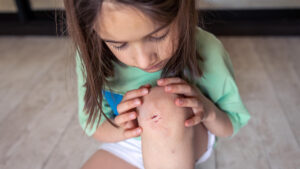
The most common first aid kit supply people think of is the adhesive bandage. They should come in different sizes so you can cover anything from a paper cut to a larger scratch. It’s a good idea to have some different shapes in there, too, like knuckle and fingertip bandages.
Next on the list? Sterile gauze. Gauze pads cover wounds that need more protection or help with bleeding. Adhesive tape is useful to hold gauze in place. But make sure you get medical tape; duct tape will not help you here!
Having a small bottle of hand sanitizer in the kit helps keep your hands clean before you treat an injury, but never put hand sanitizer on an open wound. The alcohol in it dries out the edge of the cut and damages the healthy tissue. (Also, it hurts!) To clean wounds, use an antiseptic wipe or liquid. It’s also helpful to have a little bottle of saline solution to clean wounds and flush eyes.
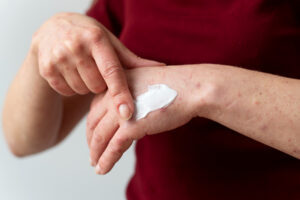
Triple antibiotic ointment is another must. It helps reduce the chance of infection in cuts and scrapes. You may also want a burn cream, since small burns are common in kitchens and outdoors. Aloe vera is also nice to have; it’s great for quick topical pain relief.
It’s also a good idea to keep basic medications in your first aid kit. OTC painkillers like ibuprofen or aspirin, antihistamines, and medicine for an upset stomach are all good to have. Just make sure to replace them when they expire.
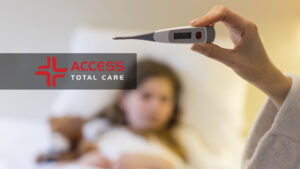
Your first aid kit should also have some non-consumable tools. A digital thermometer should be included to help you check fevers quickly. Tweezers are very useful for removing splinters or small objects stuck in the skin. A small pair of scissors can cut gauze, tape, or clothing around an injury. You should also include cotton swabs for cleaning wounds and applying ointment.
Beyond the Basic Supplies for First Aid Kits
After the basics, you should think about other helpful supplies. An instant cold pack helps reduce swelling and pain after bumps, sprains, or stings. Instant heat packs are great to help with swelling or muscle cramps. Disposable gloves will protect you from contact with blood or other fluids; nitrile gloves are much better than latex for this purpose. They last longer and don’t trigger allergies (as latex can).
While regular adhesive bandages are good for most wounds, you should add a few other options to your first aid kit supplies. Butterfly bandages are ideal for small cuts, or when you have a cut that’s too long for a traditional bandage– you use multiple to hold it closed. Elastic bandages brace sprained joints and strained muscles, and stretchy non-adhesive dressing tapes are great for protecting burns and rashes.
You should always have a way to record symptoms, timing of injuries, and any medications given– a small notebook and pen are perfect for this. And while everyone has a light on their phone these days, put a flashlight in there, with extra batteries. If an injury happens at night and your phone is dead, you’ll need it. Finally, put a first aid manual in there. It can be really helpful to have clear written instructions in an emergency.
Special Case First Aid Kits: Pets, Kids, and Seniors
Sometimes a general kit is not enough. If you have pets, you may need supplies just for them. Pet first aid kits often include pet-safe antiseptic, a muzzle, bandages that do not stick to fur, and triple antibiotic ointment without pain relief. The ointment is safe, but the pain relief can cause GI distress and vomiting if they lick it..
For kids, you may want fun designs on bandages to help calm them down, as well as a small toy or sticker. Liquid pain relievers are often easier for children than pills. If you have extremely young children, an anti-choking vacuum device is a smart option if you don’t know how to do the Heimlich maneuver.
If you’re a senior or on important medications, it helps to keep an updated medication list in the kit. Blood pressure cuffs or glucose monitors may also be useful depending on your health needs. The important thing is that you choose the first aid kit supplies that would serve you best in an emergency– that’s why customizing the kit is always a good idea.
The First Aid Supplies You Shouldn’t Use
Not all traditional first aid kit supplies are recommended for modern use. One of the most common is hydrogen peroxide. Hydrogen peroxide is frequently seen in older kits as a wound cleaner, but today’s doctors don’t recommend it. It can damage healthy tissue and slow healing. Instead, stick to antiseptic wipes.
Another item to avoid is old medicine. Expired pain relievers or ointments may lose strength or even cause harm. Always check dates and replace supplies every year.
Making a First Aid Supplies Checklist
Once you’ve put together a first aid kit, make a checklist of your supplies. This will help you remember what belongs in the kit. Then, don’t forget to check your kit every six months.
Bandages can lose their stick, ointments can dry out, and batteries in flashlights can corrode.
You should also make sure that everyone knows where the first aid kit is. Keep it in an easy to reach place. And if you have kids in the home, make sure they know how to use everything in the kit or how to find an adult if they’re too young to administer first aid to themselves.
Urgent Care or First Aid Kit?
For some emergencies, you need to go to urgent care. First aid kits are helpful, but not every injury can be safely handled at home! If your minor emergency meets any of these criteria, you need to seek medical attention:
- A cut won’t stop bleeding after 10 minutes of light pressure.
- A burn blisters, feels numb, or covers a large area.
- A sprained joint cannot bear weight or seems to be broken.
- Any injury at all occurred to the eyes.
- A hand, foot, limb, or other large area swells from a sting, or the person’s face swells or they have breathing trouble.
- A wound is caused by a deep puncture, like a nail or animal bite.
Remember, a first aid kit is meant for small injuries. Your first aid kit supplies can help with minor problems; anything more complicated should be seen at an urgent care clinic. And at Access Total Care, we’re open 7 days a week, you can just walk in. If you need urgent care in the Corpus Christi area, we’re here for you.