Skip to content
Poison Ivy isn’t just a comic book character or an old song. It’s one of the most pernicious pest plants in Texas (and the rest of the USA). In fact, poison ivy is the single most common allergen, affecting as many as 50 million Americans a year. The good news? With a little knowledge, you can succeed at poison ivy prevention. It’s extremely easy to avoid if you pay attention and if you know what to look for.
Poison Ivy Prevention Tips
Poison ivy is common throughout the Corpus Christi area, including in backyards, parks, and natural areas. Every part of the plant is toxic, including the leaves, vines, roots, berries, and flowers. Between 85% and 90% of the US population will develop an itchy rash after poison ivy exposure. This is due to the urushiol oil that it (along with poison oak and poison sumac) produces. Poison ivy prevention relies on awareness and the first step is identification.
1. Learn How to Identify Poison Ivy
The best poison ivy prevention is knowing what to avoid. Poison ivy usually has clusters of three leaflets, often with pointed tips and smooth or slightly notched edges. The leaves can be shiny or dull. In spring and summer they’re green, while in fall they may turn red or orange. The plant can also produce white flowers and small, waxy white or yellow berries. Once you recognize it you can steer clear of it. Remember the old scout saying: Leaves of three, let it be!
2. Pay Attention to Your Kindling
If you’re burning brush or making a campfire, make sure that you aren’t burning poison ivy. Poison ivy smoke is far more dangerous than the raw plant. While nobody has ever died from a poison ivy rash, people have been killed by the smoke. If you’re burning anything you’ve gathered, check it carefully for poison ivy.
3. Stay on the Path
Poison ivy thrives in wooded edges, along fences, and in overgrown grass. Trails are often cleared of it, but once you step into tall weeds or brush, you increase your risk of brushing against the plant. Staying on marked paths doesn’t just help prevent rashes; it also protects fragile ecosystems and keeps you safe from other hazards like ticks and venomous snakes.
4. Wear Protective Clothing
If you know you’ll be in areas where poison ivy may grow, cover up. Long sleeves, pants, and closed shoes help keep skin away from the plant’s oils. Gloves are especially important if you’re gardening or clearing brush.
5. Wash Skin Right Away
If you think you’ve touched poison ivy, act fast. The plant’s oil, urushiol, takes time to sink into your skin. Washing with soap and water within 10 to 15 minutes can reduce or even prevent a rash. Pay attention to spots like wrists, ankles, and hands where the plant is most likely to make contact.
6. Be Careful Around Dead Plants
Landscapers, beware: poison ivy is dangerous even when the plant looks dried up. Urushiol stays active in the stems and roots long after the leaves are gone. People often make the mistake of pulling or touching dead vines without realizing the risk. Treat every part of the plant with caution, no matter the season.
7. Don’t Let Pets Bring It In
Dogs and cats don’t react to poison ivy the way humans do, but the oil can stick to their fur. If your pet has been running through brush, they can carry urushiol into your home and spread it to you. After hikes or playtime outdoors, wipe them down or give them a bath before they curl up on the couch.
8. Clean your Gear and Tools to Avoid Surprises
Urushiol doesn’t just stick to skin and pets; it lingers on tools, shoes, and even camping gear. Because it’s an oil, it doesn’t evaporate like water does. And it sticks around for longer than you’d think. If you’ve been working in an area with poison ivy, wipe down your equipment with soap and water. Forgetting this step means you could brush against the oil days or weeks later and still end up with a rash.
What Is The Best Poison Ivy Treatment?
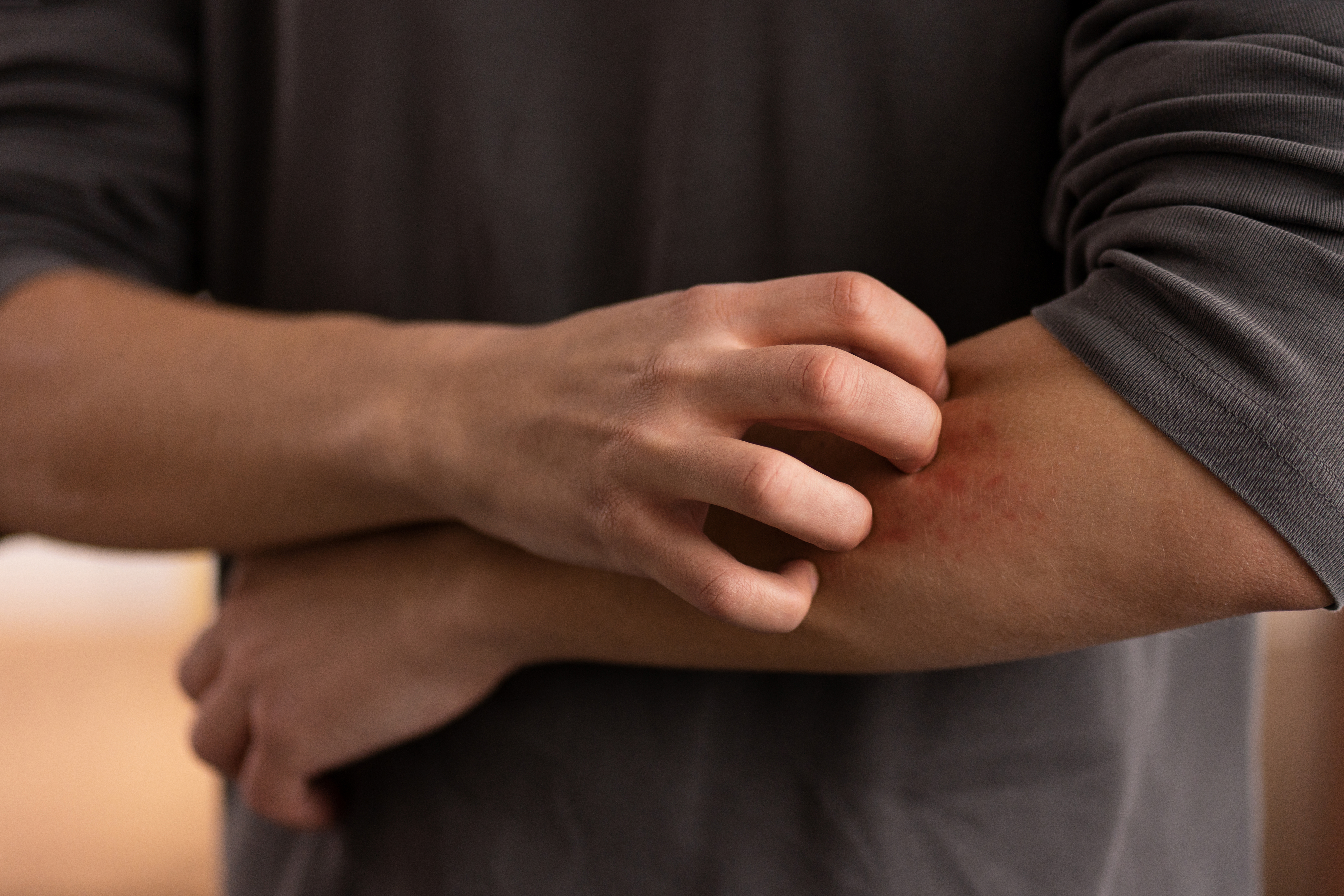
The best treatment for poison ivy starts with washing the affected skin as soon as possible. Use soap and cool water to remove the oil before it spreads. Even if a rash has already appeared, washing can keep it from getting worse. Try not to scratch, since breaking the skin can lead to infection. Over-the-counter creams with hydrocortisone or calamine lotion can help calm itching and reduce irritation. Cool compresses can also provide relief, as can aloe vera.
Most rashes heal on their own within one to three weeks. During this time, keeping the skin clean and dry is important. Oral antihistamines can sometimes help with the itching, but can also cause drowsiness, so you might want to save these for night. Anti-inflammatories (NSAIDs like aspirin and ibuprofen) can often help with pain. But topical medications are many peoples’ preference, due to how quickly they work on the affected area.
Once you’re taken care of, you need to treat your gear, too. You can’t forget to wash any clothing, tools, or bedding that may have touched poison ivy. The oil can stick around and cause new rashes if it isn’t removed. This might mean multiple washes or enhanced detergents. Use the hottest water your gear or clothing can accept.
It’s also helpful to know what treatments don’t work, even though they’re often repeated as home remedies. Rubbing the rash with alcohol or bleach may sound like a way to dry it out, but both can damage your skin and make the irritation worse.
Some people swear by applying vinegar or baking soda pastes, but these are harsh on already sensitive skin and can cause damage. The last thing you want is skin that’s too dried-out and irritated to heal, or blisters that are weakened by the acetic acid in vinegar!
Another common myth is that you should pop blisters to “let the poison out.” In reality, the fluid inside blisters is not contagious, and breaking them can slow healing and raise the risk of infection. The safest approach is to stick with proven treatments: gentle cleansing, soothing topical treatments like creams and ointments, and medications when needed.
Do I Need Urgent Care for Poison Ivy?
For most cases of poison ivy, treatment can happen at home. But sometimes you do need urgent care for poison ivy. If the rash spreads to your face, eyes, or genitals, it is time to see a doctor. Swelling, difficulty breathing, or trouble swallowing are signs of a severe allergic reaction and need urgent attention.
You should also seek care if the rash covers a large area, if blisters are oozing pus, or if the itching becomes unbearable. In these cases, urgent care can prescribe stronger treatments, such as oral steroids, to help bring relief. Also, if the rash looks infected, you should seek care immediately, as infection may require an antibiotic prescription. Knowing when to visit urgent care ensures that a simple rash doesn’t turn into a serious problem that requires even more complicated care.
If poison ivy prevention isn’t enough and you find yourself with an unmanageable itch, come see us at Access Total Care. With locations in Kingsville and Padre Island, we’re here for our Corpus Christi neighbors who have had a run-in with poison ivy or any of its toxic family members.