Skip to content
Many of us spend most of the day sitting, whether it be at desks, in cars, or at home in front of screens. While this routine may feel unavoidable, long periods without movement can place unnecessary stress on the body. This can affect an individual’s occupational health. We’ve seen how a sedentary lifestyle can influence posture, mobility, energy, and overall wellness. So, we want to help people build healthier habits, starting with something simple and effective: stretching.
Sitting: An Occupational Health Hazard
You might think that an office job is one of the least-risky jobs from an occupational health perspective, but there are hidden dangers from working at the computer all day. One of the biggest risks comes from sitting for long periods of time without breaks for stretching and activity.
Prolonged sitting causes specific muscle groups to tighten while others weaken. Hip flexors shorten and stiffen. Glutes lose strength and responsiveness. Shoulders slump forward. The upper back rounds. Over time, this pattern affects how your body functions and feels. Stiff joints, lower back tension, and neck discomfort often trace back to static postures. All of this increases your chances of mortality from cardiovascular disease by 34%.
We can’t always change our schedules, but we can break the cycle with consistent movement. Stretching improves blood flow, restores mobility, and counteracts stiffness. Even short sessions throughout the day can lead to long-term benefits.
Start with the Hips and Lower Back
We always suggest beginning with the hips and lower spine as the basis of stretching for occupational health. These areas absorb the most stress from sitting. Basic hip flexor stretches, like a kneeling lunge, help open the front of the hips. You can hold the position for 20 to 30 seconds per side. Keep your torso tall and focus on a slow, steady breath.
For the lower back, try a seated spinal twist. Sit upright in a chair, place one hand on the opposite knee, and gently rotate your upper body to the side. This movement encourages spinal mobility and releases tension around the lumbar region.
Target the Hamstrings and Calves
Tight hamstrings pull on the pelvis, which contributes to poor posture and discomfort. A standing hamstring stretch works well: Place one foot on a low surface with the leg straight, hinge forward from the hips, and avoid rounding the back. You should feel a deep but manageable stretch through the back of your thigh.
Don’t ignore the calves. They play a key role in walking and balance. You can stretch them against a wall. Stand facing the wall with one foot forward and one back, both toes pointing straight ahead. Keep the back heel on the floor as you lean into the stretch. Switch sides after 20 to 30 seconds.
Release the Chest and Shoulders
Sitting at a desk often leads to rounded shoulders and tightness across the chest. This happens when the pectoral muscles tighten and the upper back weakens. To reverse this pattern, include doorway chest stretches. Stand in a doorway, place your forearms on either side of the frame at shoulder height, and gently lean forward. This opens the chest and repositions the shoulders.
For shoulder tension, try simple arm circles or overhead reaches. Raise your arms straight up and gently stretch toward the ceiling. You can also interlace your fingers above your head, then reach slightly back to engage the upper back.
Loosen the Neck and Upper Spine
Neck stiffness often builds slowly. Small daily movements can prevent it from progressing. Gently tilt your head from side to side, hold each position for 15 to 20 seconds, and avoid bouncing or forcing the movement. You can also perform chin tucks. Draw your chin straight back without tilting it up or down. This activates deep neck muscles and helps realign the cervical spine.
Thoracic mobility also deserves attention. Sitting for hours locks up the upper back. Try cat-cow stretches, even seated. Arch your back forward while tucking your chin, then reverse the motion by opening your chest and looking slightly upward. Repeat slowly, coordinating the motion with your breath. Go slowly and carefully to avoid pulling anything or hurting yourself, which might necessitate a visit to an urgent care clinic.
Fit Movement into Your Daily Routine
You don’t need to carve out an hour for these stretches. We suggest short, regular sessions throughout the day. Set a timer every hour or two as a reminder to stand, stretch, or walk for five minutes. Link these breaks to moments that already happen: for example, right after finishing a call or before lunch. When you adopt these habits, you can easily improve your occupational health and avoid unnecessary trips to urgent care for muscle injuries or chronic tension.
Choose Positions That Work with Your Environment
If you work in a shared space at a Corpus Christi business, find discreet ways to stretch without disruption. Many stretches can happen right in your chair or beside your desk. You can even stand for part of your work session or place one foot on a small stool to keep your hips active.
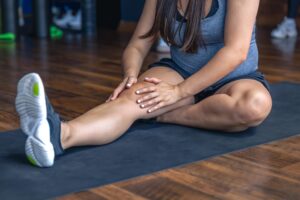
At home, use the floor or a mat to explore more range. Add tools like foam rollers or resistance bands for deeper engagement. Stretching doesn’t require expensive gear or memberships. You just need intention, consistency, and awareness.
The Role of Ergonomics in Occupational Health
Even the best stretching routine can’t fully counteract the effects of a poorly arranged workspace. Ergonomics, the science of designing your environment to fit your body, plays a key role in reducing strain and promoting good occupational health. Start with your chair: it should support your lower back and allow your feet to rest flat on the floor. Adjust the seat height so your knees remain at or just below hip level, which encourages proper posture.
Your computer screen should sit at eye level about an arm’s length away, preventing you from constantly looking down or leaning forward. Position the keyboard and mouse so your elbows stay close to your body at a 90-degree angle, and keep wrists straight while typing. If you use a laptop, consider a separate keyboard and stand to improve alignment.
Small changes in setup can minimize stress on your neck, shoulders, and lower back, making your stretching efforts even more effective. These small changes can also help prevent pain from repetitive stress injuries or work-related tension over time, making it less likely that you’ll need to visit an occupational medicine clinic in Kingsville, Padre island, or other locations in the Corpus Christi area.
When to Seek Additional Support at Urgent Care
If you notice pain that doesn’t resolve with basic movement, or if tightness starts limiting your daily activities, consider a quick visit with us. Taking care of your occupational health needs helps you stay happy and healthy, as well as productive at work. And while some tension can be addressed by lifestyle habits, sudden discomfort may require a closer look.
While stretching can relieve everyday stiffness, some symptoms require professional attention. Persistent back or neck pain, tingling or numbness in the arms or legs, or pain that worsens with movement may signal a more serious issue. If your discomfort doesn’t improve after a week of regular stretching or interferes with daily activities, it’s time to seek care.
At Access Total Care, we stay ready to help you understand your symptoms and explore next steps. Whether you need guidance, evaluation, or peace of mind, we welcome you to contact us or stop by one of our clinics. We care about your comfort and want to help you stay active, mobile, and well.